
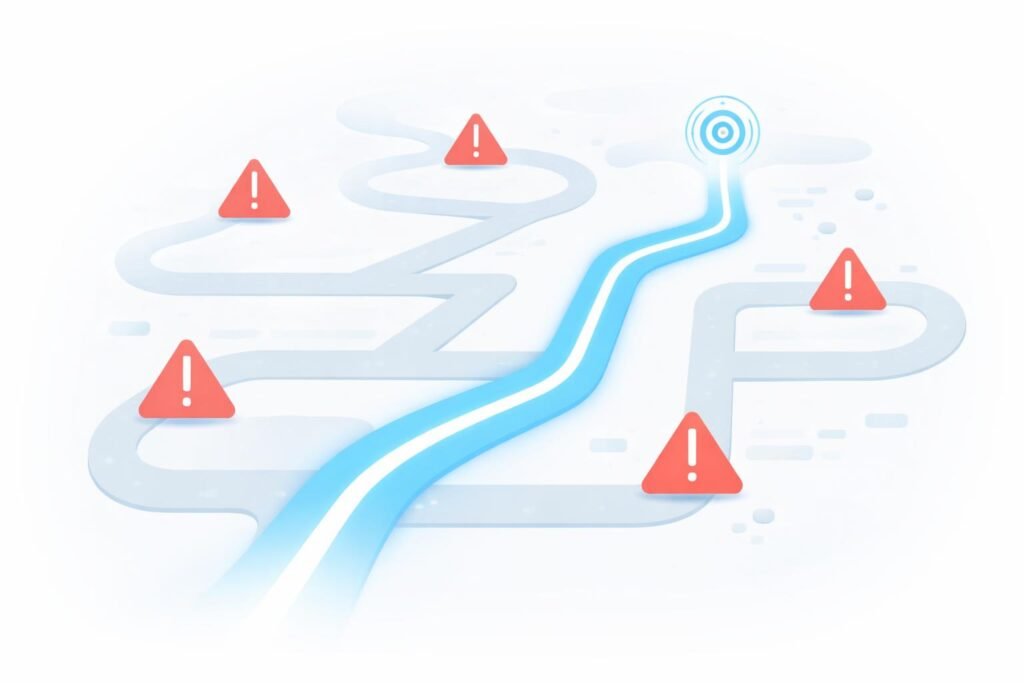
Starting remote work seems simple: open a laptop, find tasks, and begin working. In reality, most beginners struggle not because of a lack of opportunities, but because they make predictable mistakes that slow progress or lead to burnout. Understanding these mistakes early can save weeks or even months of wasted effort and help build a stable workflow from the beginning.
1. Trying to Do Everything at Once
Many beginners attempt to learn multiple skills, apply for different job types, and use several platforms at the same time. This leads to confusion and slow progress.
A better approach is to focus on one clear direction. For example, start with content writing or data entry, build initial experience, and only then expand into other areas.
2. Applying to Jobs Without Preparation
Sending applications without a basic portfolio or clear offer rarely works. Clients need to see what you can do, even at a beginner level.
Instead of applying randomly, create simple samples of your work. A few examples are enough to show your ability and increase your chances of getting hired.
3. Writing Generic Proposals
One of the most common mistakes is sending long, vague proposals that do not address the client’s needs.
A strong proposal is simple and direct. It shows understanding of the task and explains how you will solve the problem. Short and clear messages perform better than long descriptions.
4. Targeting High-Paying Jobs Too Early
Beginners often aim for high-budget projects immediately. This usually results in rejection, because clients prefer experienced freelancers.
Starting with smaller tasks allows you to gain reviews, build confidence, and understand how remote work platforms operate.
5. Ignoring Communication
Remote work depends heavily on communication. Delayed responses, unclear messages, or lack of updates reduce trust and can cost you opportunities.
Freelancers who respond quickly and communicate clearly often outperform more skilled competitors.
6. Working Without a System
Many beginners rely on motivation instead of structure. They work at random times, switch tasks frequently, and lack clear priorities.
A simple workflow with defined tasks and working hours creates consistency and improves results over time.
7. Underestimating Task Time
Without tracking time, it is easy to spend more hours than expected on simple tasks. This leads to lower effective income and frustration.
Understanding how long tasks actually take helps improve pricing and planning.
8. Overcomplicating Tools and Setup
Using too many tools at the beginning creates unnecessary complexity. Instead of improving productivity, it often slows work down.
A minimal setup with a few essential tools is more effective and easier to maintain.
9. Expecting Fast Results
Remote work is often seen as a quick way to earn money, but real results require consistency. Many beginners quit too early because they expect immediate success.
Progress usually looks like this:
| Stage | Result |
|---|---|
| First week | Learning and setup |
| Second week | First responses |
| First month | Initial income |
10. Quitting After Rejection
Rejection is part of the process. Most freelancers do not get hired immediately, and early applications often fail.
The key difference between those who succeed and those who quit is persistence. Consistent applications and gradual improvement lead to results.
Comparison: Wrong vs Correct Approach
| Mistake | Correct Approach |
|---|---|
| Applying randomly | Targeted applications |
| No portfolio | Simple samples |
| Multitasking | Focus on one skill |
| No structure | Clear workflow |
| Expecting fast money | Building gradually |
Practical Example
A beginner who:
- chooses one skill
- creates 2–3 samples
- applies to small jobs daily
is more likely to get a first client within a few weeks than someone who tries multiple directions without focus.
Conclusion
Most remote work failures are not caused by lack of skill, but by avoidable mistakes. By focusing on one direction, preparing properly, and working consistently, beginners can significantly increase their chances of success. Remote work is not about quick results, but about building a stable system that produces progress over time.