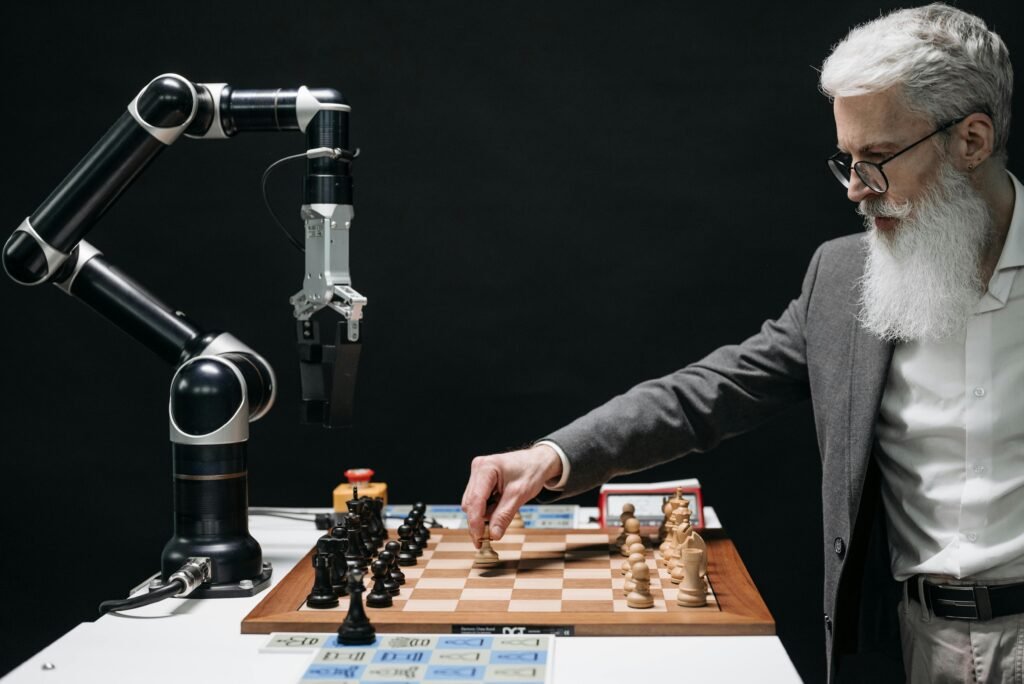

Most freelancers assume that increasing income requires working more hours. In reality, higher output comes from better structure, not more effort. Working longer often leads to fatigue, lower quality, and burnout, while a well-designed system allows you to produce more in less time. This guide explains how to increase productivity and work efficiency without extending your working hours.
If you are already dealing with distractions, it is useful to combine this approach with How to Focus When Working Online, because focus is the foundation of high output.
Why Working More Does Not Increase Output
More hours do not automatically mean more results.
Common problems:
- fatigue reduces quality
- multitasking lowers efficiency
- lack of structure wastes time
👉 Result: more time spent, but not more work completed.
Core Principle: Optimize Output, Not Time
Instead of:
❌ working longer
Focus on:
✅ producing more in the same time
Step 1. Focus on High-Value Tasks
Not all tasks contribute equally to your results.
Split your work:
| Task Type | Example | Impact |
|---|---|---|
| High-value | client work | High |
| Medium | communication | Medium |
| Low-value | minor edits | Low |
👉 Spend most of your time on high-value tasks.
Step 2. Use Time Blocks for Deep Work
Unstructured work reduces output.
Example:
| Time | Task |
|---|---|
| 09:00–11:00 | Deep work |
| 11:00–12:00 | Communication |
| 13:00–15:00 | Project work |
This method is explained in detail in Time Blocking for Freelancers, where structured scheduling increases productivity.
Step 3. Eliminate Task Switching
Switching between tasks reduces efficiency.
Instead:
- complete one task fully
- then move to the next
Step 4. Use Simple Automation
Automation reduces manual effort.
Examples:
- templates for emails
- reusable workflows
- basic AI tools
Tools mentioned in Best AI Tools for Freelancers can significantly reduce repetitive work.
Step 5. Track Output, Not Just Time
Tracking time is useful, but tracking results is more important.
Instead of:
❌ “worked 6 hours”
Track:
✅ “completed 3 tasks”
This improves awareness and efficiency.
Step 6. Remove Low-Value Work
Many freelancers waste time on tasks that do not matter.
Examples:
- unnecessary revisions
- over-editing
- checking messages too often
👉 Reducing these increases output immediately.
Real Workflow Example
A freelancer optimizing output:
| Step | Action |
|---|---|
| 1 | Identify key tasks |
| 2 | Assign time blocks |
| 3 | Focus on one task |
| 4 | Complete work |
| 5 | Review output |
Comparison: Time vs Output Focus
| Approach | Result |
|---|---|
| Work more hours | Burnout |
| No structure | Low efficiency |
| Output focus | Higher results |
| Structured workflow | Consistency |
Common Mistakes
- trying to do everything
- working without priorities
- multitasking
- ignoring rest
Practical Insight
Freelancers who:
- focus on high-value work
- reduce distractions
- use structured workflows
👉 often double their output without increasing hours.
Key Insight
Increasing productivity is not about effort.
👉 It is about:
- clarity
- structure
- efficiency
Conclusion
Increasing work output without working more is entirely possible when you shift from time-based work to result-based systems. By focusing on high-value tasks, eliminating distractions, and using structured workflows, freelancers can significantly improve productivity and efficiency. The goal is not to work harder, but to work smarter within the same time.